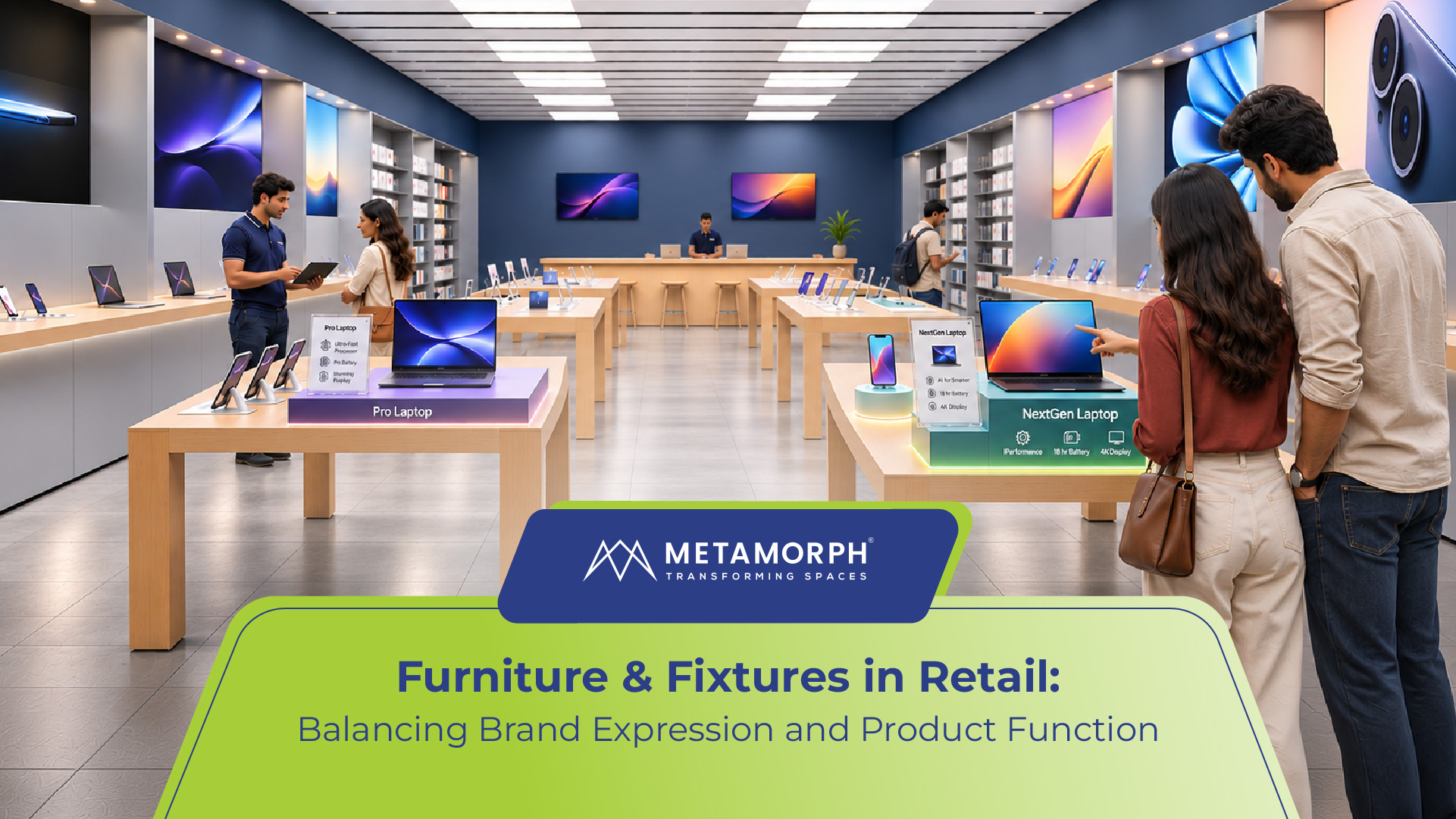
A fixture can capture a brand's visual identity and still create problems on the shop floor. A chosen profile may leave insufficient room for merchandise. A specified finish may struggle with repeated handling, while a display designed around a minimal structure may need additional support for the products it carries.
These decisions sit at the heart of Retail Furniture and Fixtures. The design has to express the brand while meeting the physical and commercial demands of the product. Its appearance is only one part of the brief. The way merchandise is displayed and the process through which it is sold determine what the fixture needs to deliver.
The challenge is to resolve these requirements within one design. That relationship shapes everything from the shelving that presents a product range to the custom counter where a purchase is completed.
What Customers Notice First: Retail Display Fixtures and Product Hierarchy
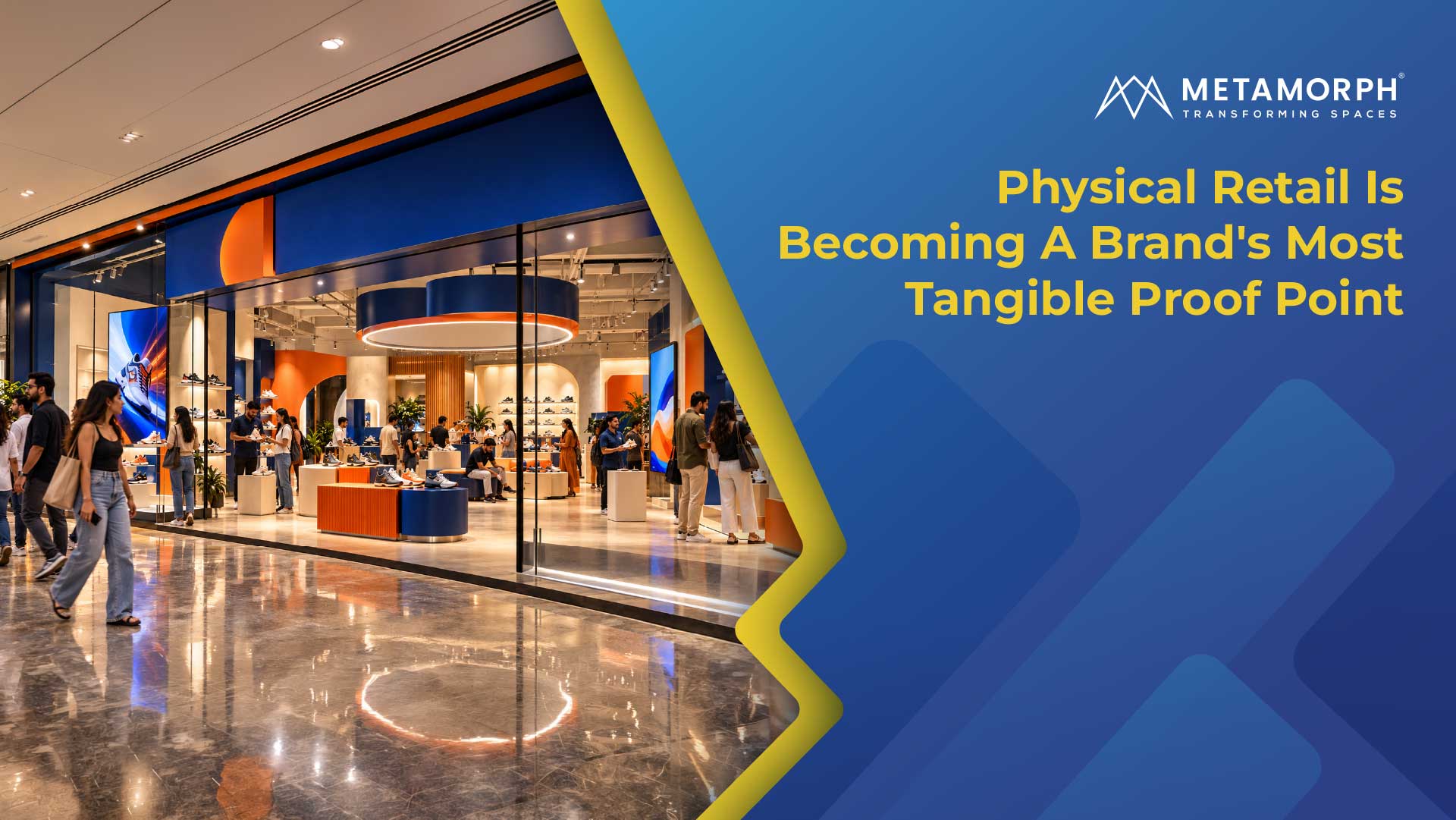
Consider a footwear store displaying its latest collection. A feature table introduces the new range, wall-mounted Retail Shelving presents the available styles, and lower units hold additional sizes. The arrangement gives customers an immediate sense of the collection while making the wider range easier to explore.
The position and height of each fixture influence this experience. A tall display placed across a key sightline can hide merchandise behind it. A lower feature unit keeps more of the store visible and gives the featured collection prominence without dominating the space. Product placement also matters: the merchandise needs to sit at a height where customers can identify and examine it comfortably.
Fixture design establishes a hierarchy between featured products and the wider assortment. The choice of materials, proportions and display format contributes to that hierarchy, while the arrangement determines how the brand's visual language carries through the store.
The Product Sets the Brief for Retail Fixture Design
The product's requirements establish the practical limits of a fixture. Dimensions, weight, packaging and handling requirements influence its construction. The selling process adds further considerations, particularly when customers need to test or compare merchandise before purchasing.
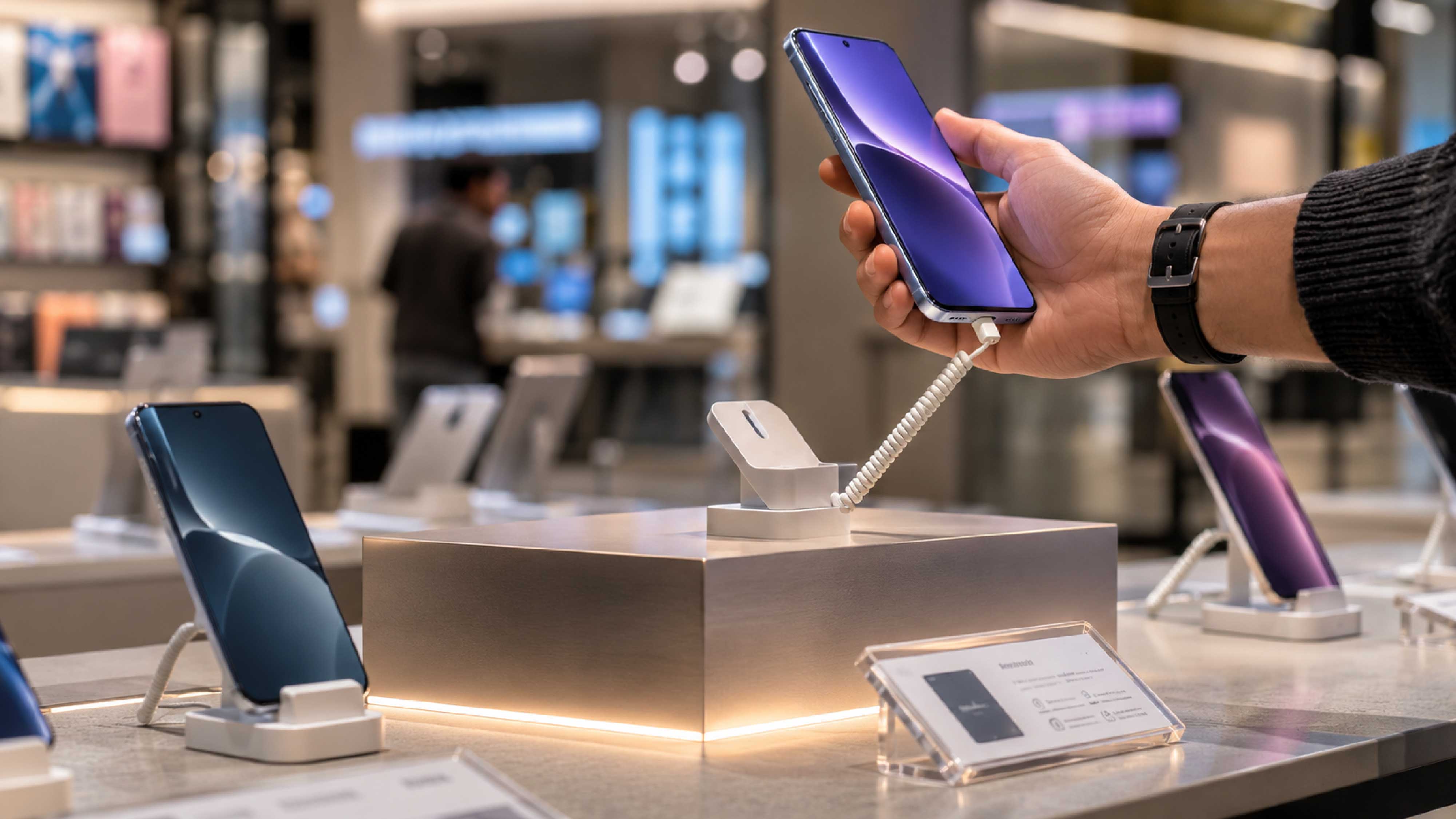
Electronics retail offers a clear example. A customer comparing devices needs access to working demonstration units and enough space to interact with each model. The fixture must accommodate power connections and security devices, with cable routing integrated into its construction. These requirements influence the internal structure and assembly of the display.
The brand may prefer a clean, uninterrupted surface. Achieving that appearance requires the engineering to account for the equipment behind it. Cable access, maintenance points and security fittings need to be incorporated into the design so the finished display remains practical for customers and store staff.
A fixture for merchandise selected directly from a shelf follows a different brief from one supporting assisted sales or product demonstrations. The selling process should inform Retail Fixture Design from the outset, including what happens before the customer makes a purchase.
Designing Fixtures Around How Customers Shop
The way customers interact with merchandise determines the space and features a fixture needs. Browsing requires an organised presentation; product trials need room for interaction; comparison depends on customers being able to examine alternatives without losing sight of the differences between them.
The space around the fixture matters too. Customers need room to approach displays, examine products and move through the store. Reach, circulation and clear access routes should be considered alongside product presentation. Accessibility planning should also refer to the Ministry of Housing and Urban Affairs' Harmonised Guidelines and Standards for Universal Accessibility in India, 2021, wherever applicable to the project.
The point of sale introduces a different kind of interaction. At the counter, customers are completing transactions, asking questions, collecting orders or considering additional purchases. This makes the counter one of the most operationally demanding pieces of retail furniture.
Its surface has to accommodate billing terminals and payment devices while leaving staff enough room to serve customers. Storage, cable routing and equipment access also influence its construction. Point of Sale Displays need to fit into this working area without obstructing the transaction or making products difficult to notice.
The counter's design has a direct bearing on the working experience of the people behind it. A well-resolved unit gives staff access to the equipment and storage they need while keeping the customer-facing side aligned with the store's visual identity.

When Brand Expression and Fixture Function Collide
A brand's preferred material or finish can become a difficult specification when the fixture is expected to withstand heavy use. A particular surface treatment might deliver the desired appearance but prove unsuitable for a display that customers handle throughout the day. A slender profile might suit the visual direction while the product load demands a stronger structure.
Material selection needs to account for the way the fixture will be made and used. Metal, wood, glass, acrylic and laminates each have different fabrication and performance characteristics. Their suitability depends on the specific application and the demands placed on the finished unit.
The challenge is to understand which visual details are central to the brand and how the construction can support them. A change to the substrate, joint, support or finish can affect the final appearance, so these decisions need to be considered together during design development.
When Custom Retail Fixtures Make More Sense
Standard Store Fixtures provide established formats for many retail environments. Shelving systems, display tables and modular units work well when the product range and store layout fit their dimensions. More specific requirements call for a purpose-developed solution.
A counter that needs to accommodate specialised equipment, a display built around an unusual product shape or a unit designed for a particular store footprint may require a custom approach. Custom Retail Fixtures give the design team greater control over dimensions, materials, detailing and functionality.
Counters are a good example. A standard counter may provide a working surface, but a brand might need integrated product displays, concealed storage and a specific arrangement of customer-facing equipment. The fixture must support the checkout process while maintaining the intended visual language. Its design also needs to consider the people working behind it, who need practical access to equipment and storage throughout the day.
Customisation also becomes relevant when a fixture needs to work across different store formats. A design developed for one location may need adjustments to its dimensions or configuration at another, while retaining the details that make it recognisable as part of the same retail environment.
The decision to develop a custom unit should come from a defined product, spatial or operational requirement. Metamorph brings design, technical development and production together to translate those requirements into fixtures that can be fabricated and installed as intended.
A Fixture's Real Test Begins After Installation
Once a store opens, fixtures become part of its everyday operations. A loaded shelf places continuous demands on its supports and joints. A freestanding display needs to remain stable as customers interact with the merchandise. A counter has to accommodate the equipment and working routines it was designed around.
These are practical tests of the original specification. The fixture's construction, material choices and detailing determine how it holds up under regular use. They also influence maintenance and the ease with which store teams can replenish or rearrange merchandise.
For brands, this makes the relationship between design and fabrication particularly important. The team responsible for the visual details needs to understand how those details will be produced, installed and maintained. Metamorph brings these stages together across Retail Furniture and Fixtures, carrying the brand's design intent into the working retail environment.
A fixture ultimately earns its place through the work it continues to do after opening. It must support the merchandise and the people responsible for selling it, while remaining part of the brand experience the store was designed to create.