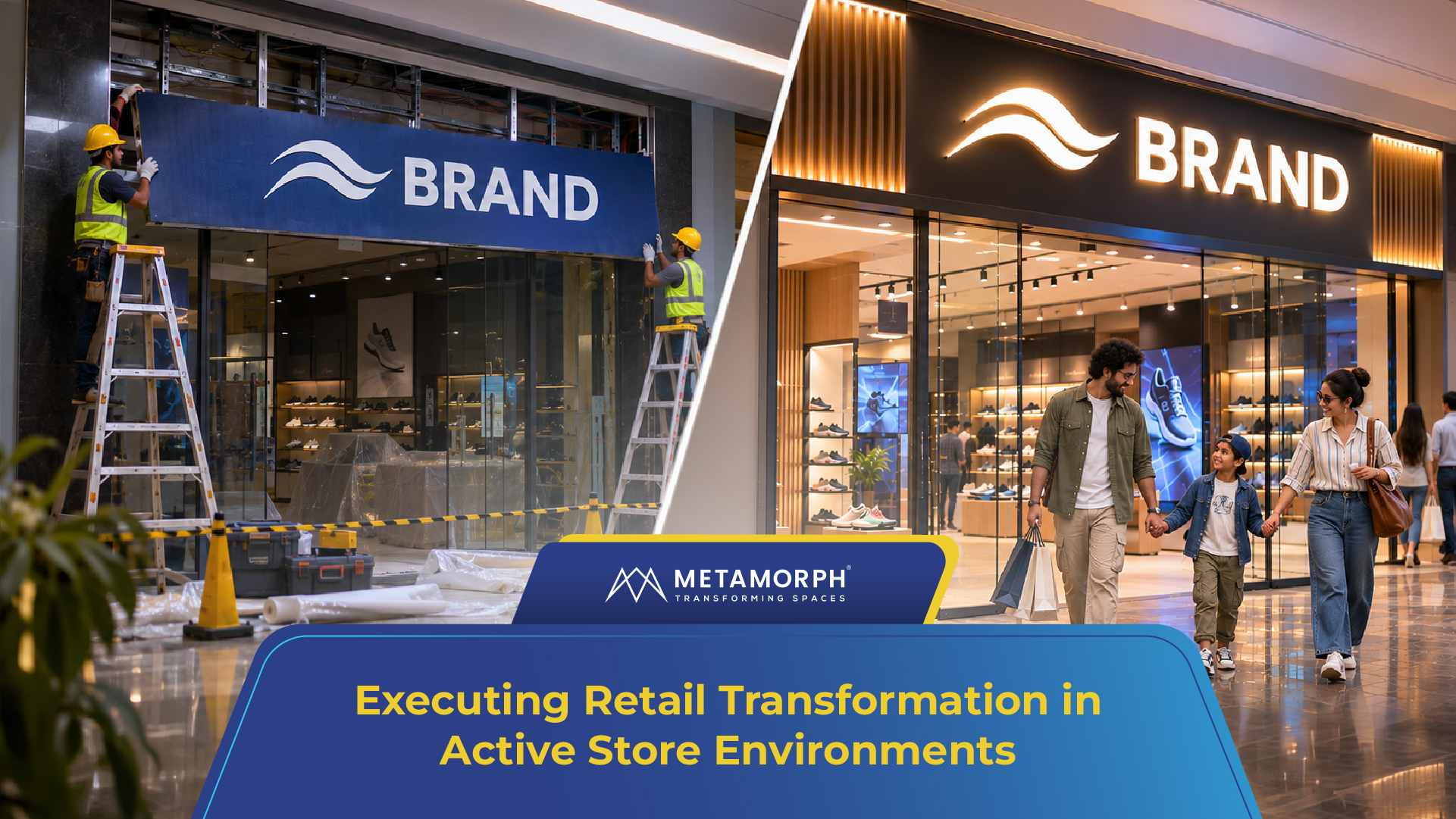
The opening hour of an active retail store remains fixed even when the space around it is undergoing transformation.
A fascia sign may be scheduled for replacement overnight. Existing branding may need to come down before new graphics can be installed. Fixtures may require modifications while merchandise and equipment remain in use throughout the trading day.
Each activity occupies time that the store has already committed to its next opening.
For execution teams, that deadline affects the work scheduled for each night, the order in which existing elements are removed and the condition in which the affected areas must be returned. An installation can meet its technical specifications while leaving surrounding surfaces unfinished or equipment unavailable for the next trading day.
The execution plan therefore begins with the time at which the store must return to business and works backwards through the activities required to reach that point.
Planning Around Overnight Installation Windows
The time between closing and reopening provides only part of the available working window. Contractor access, loading permissions and site preparation can reduce the hours available for installation.
In malls, material deliveries may follow designated loading schedules, with contractor entry subject to the property's work permissions. High-street locations have different access considerations, particularly where unloading equipment or carrying out work affects the surrounding area.
The schedule must account for these conditions before assigning work to an overnight shift.
Consider a planned signage replacement. The crew needs time to prepare the work area and remove the existing application before assessing the exposed mounting surface. Installation follows once the supporting conditions are suitable, with electrical checks and cleaning completed before handover.
The duration of each activity determines the scope that can realistically fit into the night.
Some interventions require more time than the available window allows. Extensive substrate repairs, structural modifications and work involving curing periods may need separate arrangements or multiple stages. Identifying those requirements during planning prevents unfinished activities from extending into trading hours.
The reopening time also determines when installation work must stop so the area can be inspected and prepared for use.
Site Recce and Store Branding: Deciding What Can Stay
An existing retail environment contains physical assets installed at different points in the store's operational life. Signage may have undergone previous repairs, fixtures may have been modified, and electrical provisions may differ from the original drawings.
A site recce establishes the condition of these elements and their suitability for the proposed transformation.
An existing fascia structure may support the updated signage after a technical assessment. A branded wall may require new graphics over a prepared substrate. A fixture may accommodate updated panels while retaining its supporting frame.
These decisions influence the time required for removal and the extent of new fabrication.
Store Branding updates also need to account for equipment and areas used during daily operations. A counter scheduled for replacement may house payment terminals and data connections. Its removal affects the store's ability to process transactions, making equipment access and reconnection part of the installation scope.
For a Retail Branding Partner, understanding these conditions during the survey helps establish what can be prepared in advance and which activities require the store to be taken temporarily out of use.
The survey establishes the practical limits of the transformation before the overnight schedule is committed.
Sequencing Removal, Installation and Manpower
Removal and installation compete for the same limited working hours. Every additional task discovered during dismantling reduces the time available for the replacement application.
A wall graphic provides a straightforward example. The existing material must be removed before the condition of the substrate can be assessed. Adhesive residue, damaged paint or loose surface finishes may require preparation before the replacement can be applied.
The installation schedule has to accommodate those dependencies.
Crew allocation follows the physical sequence of work. Separate areas can support parallel activity where access and supervision permit it. A narrow storefront or a confined installation zone creates a shared working area where additional personnel may offer limited benefit.
Material preparation becomes especially important under these conditions. Fabricated components should arrive with the required fittings identified and the installation sequence established. Packaging can be organised so teams access the necessary materials in the order of use.
Operational stores also place limits on temporary storage. Deliveries need to account for available space, designated access routes and the movement of merchandise already occupying the site.
Where components can be assembled and checked before dispatch, the work required inside the store becomes more predictable. The available overnight hours can then be assigned to the activities that depend on physical access to the site.

Protecting the Store During Retail Signage Changeovers
Installation work takes place around merchandise and finished surfaces that must remain suitable for trading after the shift ends.
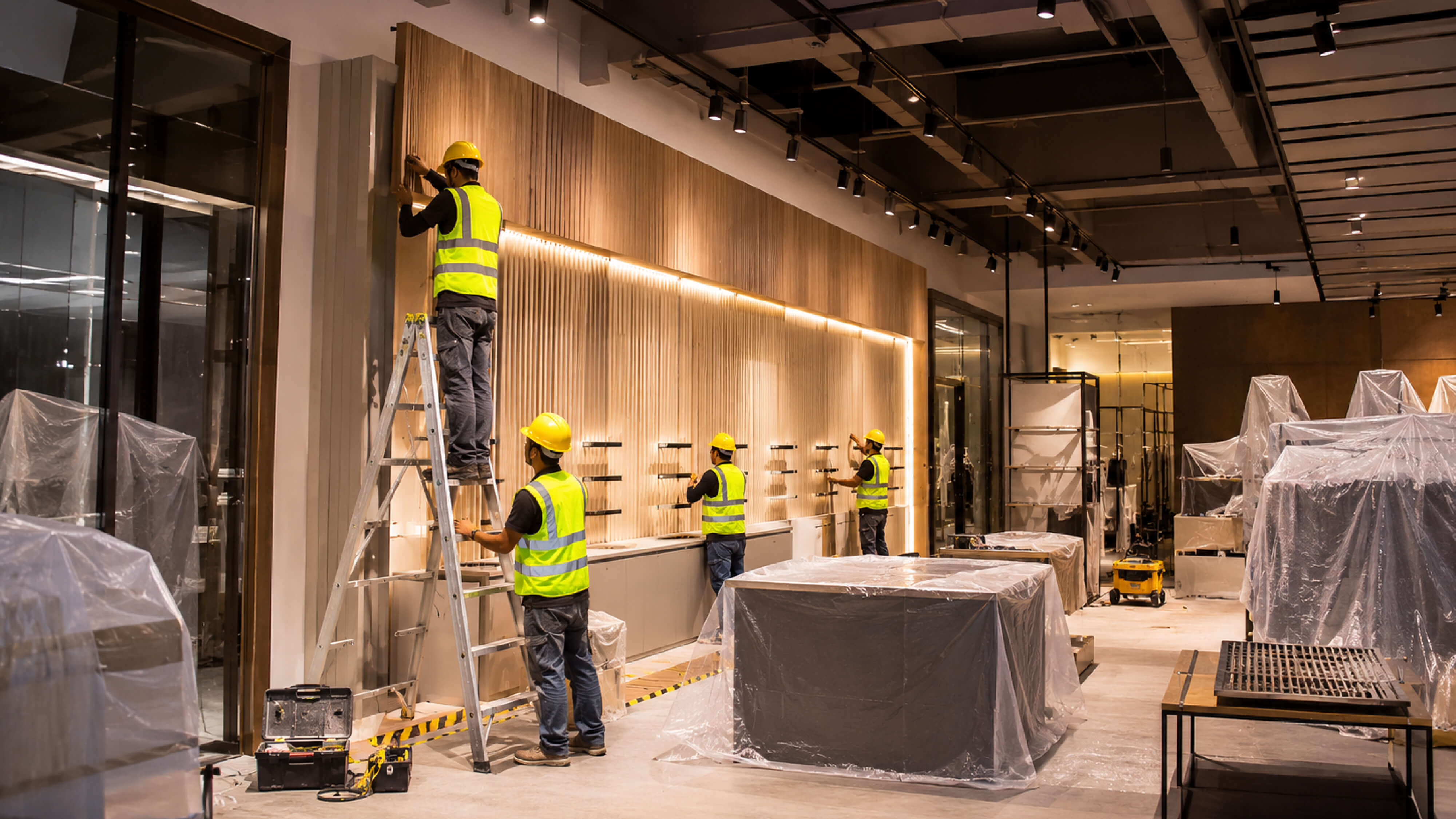
The protection plan depends on the activities scheduled for that area. Removing a fabricated sign can involve drilling and handling heavy components. Graphic replacement introduces adhesive removal and surface preparation. Fixture modifications may require tools and equipment to move through existing merchandising zones.
Products close to the work area may require temporary relocation. Existing fixtures, counters and flooring need protection appropriate to the materials and installation methods involved.
Retail Signage changeovers introduce further requirements when illuminated applications are involved.
Electrical isolation must be coordinated with dismantling, followed by the relevant inspection, connection and testing of the replacement installation by qualified personnel. The sequence needs to account for the condition of existing wiring and electrical provisions.
Removing an illuminated sign may also expose damaged fixing points or deterioration behind the original cabinet. Those findings affect the mounting arrangement and the work required before the new application can be installed.
The team must assess the exposed condition and establish a safe outcome within the available window, including any temporary arrangements required when corrective work extends beyond that shift.
Inside the store, In-Store Branding applications are coordinated with adjoining work. Graphics are better protected when drilling, fixture modifications and other activities affecting the surrounding surfaces have been completed beforehand.
The protection plan extends through cleaning and removal of dismantled materials, with the affected area prepared for its next period of use.
Handover Between Overnight Shifts
A phased intervention may continue across several nights, making each shift responsible for leaving the site in an agreed operating condition.
The outgoing team records what has been installed, which surfaces remain prepared for further work and whether any areas or systems require continued protection. Outstanding corrections and incomplete activities are passed to the team responsible for the next shift.
This handover record becomes important when different trades work in sequence. An electrical connection awaiting completion may affect the installation of an adjoining graphic panel. A prepared surface may need further attention before the next application begins.
The store also needs clear information about areas released for use and those reserved for subsequent work.
The end-of-shift handover establishes the condition of the site between working windows. Final project completion requires a separate inspection of the finished applications and their readiness for normal operation.
The Final Check Before Reopening
The final inspection considers the completed installation within the environment customers and staff will use.
Signage is checked for fixing, alignment and finish, with appropriate electrical and illumination checks completed where applicable. Fixtures and counters are assessed for their intended function, including access to equipment affected by the work.