Transforming Fragmented Dealer Branding into a Consistent Retail Presence
ACP signage rollout delivered across four states through coordinated execution, regional adaptation, and controlled deployment.
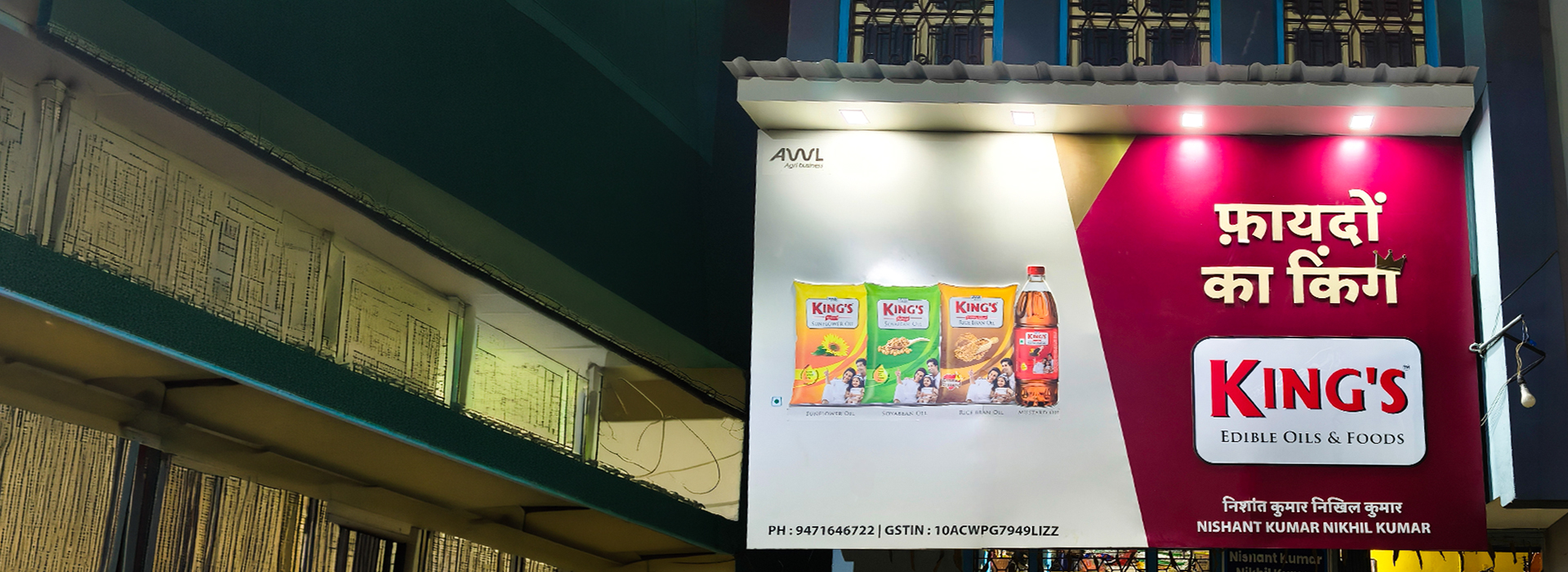
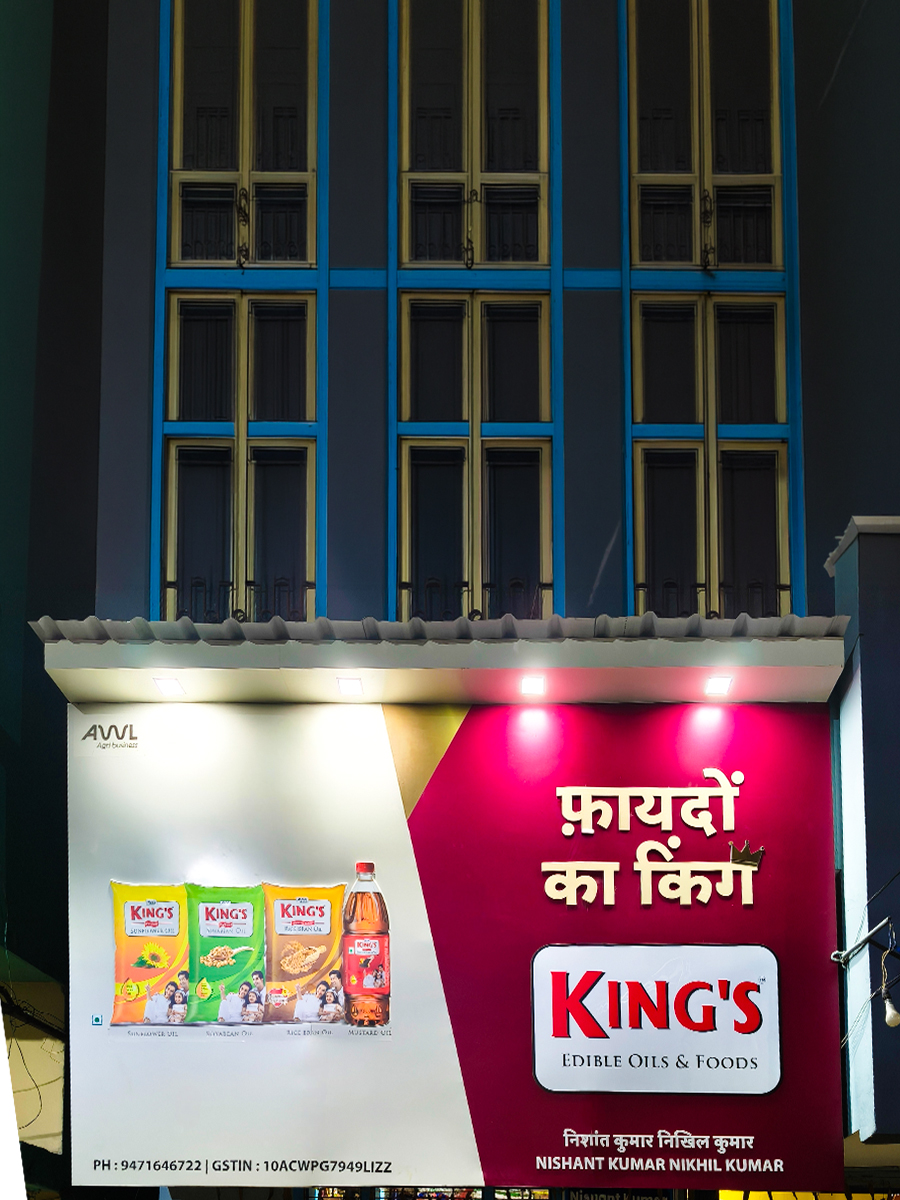
Store Rollout
King's Oil (AWL)
Multi-State Retail Branding Rollout Across Dealer Networks

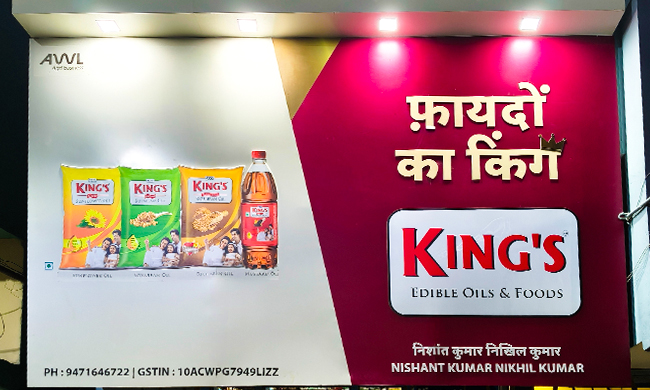
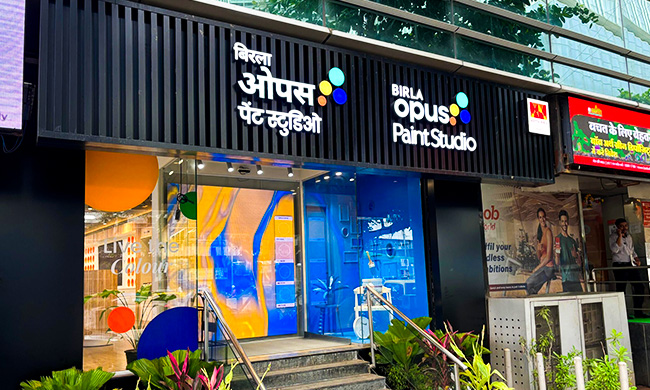
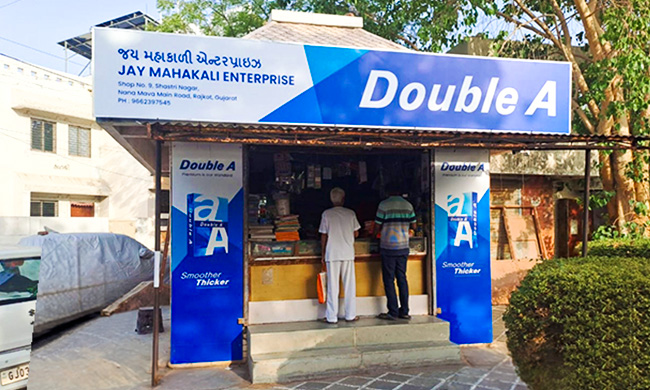
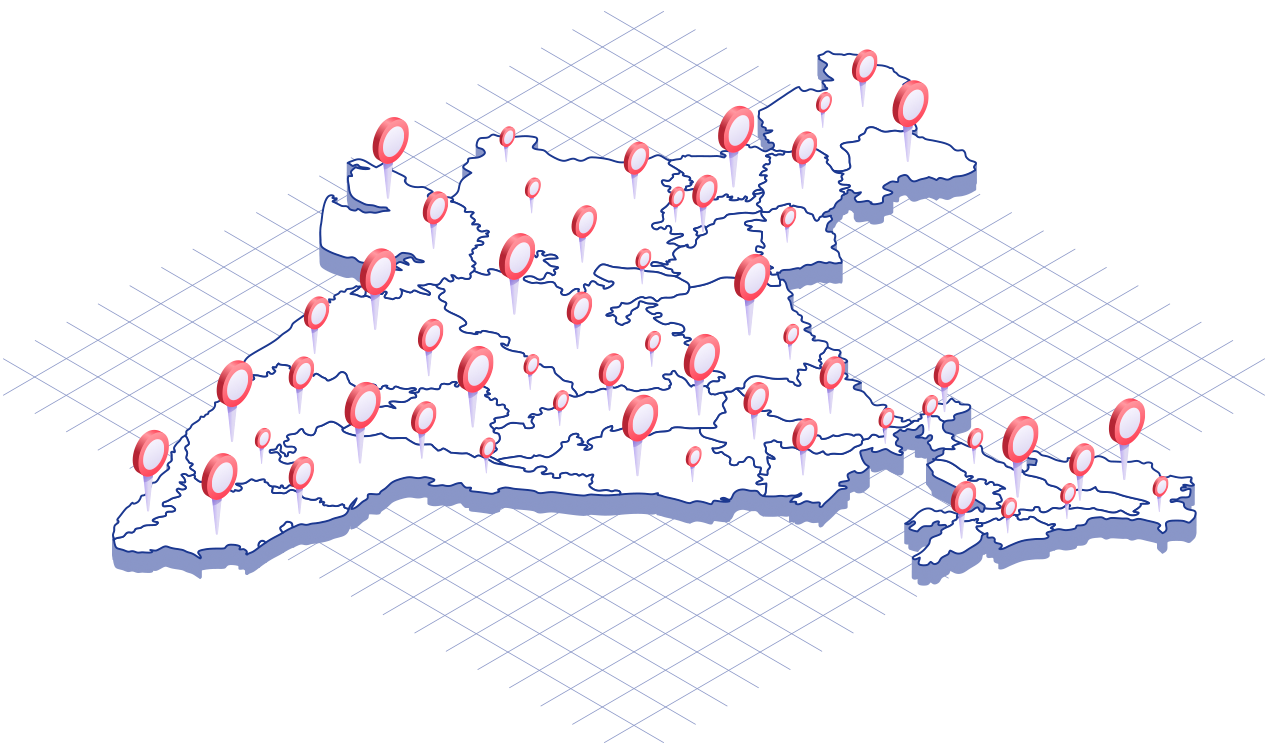
AWL sought to upgrade the retail visibility of its King’s Oil dealer network across Jharkhand, Bihar, Odisha, and Uttarakhand through a large-scale branding rollout.
The objective extended beyond replacing existing dealer boards. The rollout aimed to establish a consistent, high-visibility retail identity across geographically dispersed markets while maintaining dealer-specific information, regional language requirements, and brand compliance standards.
Execution complexity emerged from the scale and diversity of the network. Dealer locations were spread across Tier 3 and Tier 4 markets, installation windows were limited due to ongoing business operations, and signage systems required extensive customisation to accommodate local-language dealer names, GST information, contact details, and location-specific requirements. Material consistency also posed a challenge, particularly in sourcing ACP sheets that accurately matched the defined brand colour standards.
Metamorph established a structured rollout system focused on execution speed, data accuracy, production standardisation, and coordinated installation across multiple states. Through centralised planning, prototype validation, parallel workflows, and aligned on-ground teams, the rollout was executed with consistency across locations while maintaining operational continuity at active dealer outlets.
Execution
Execution challenges across the dealer network were addressed through structured planning, controlled production systems, and coordinated multi-state deployment.
Pre-execution planning began with detailed site recce activities and dealer mapping across locations. Standardised signage templates were developed to accommodate dealer-specific information while maintaining visual consistency across the network. Multi-level approval workflows were established to validate GST information, contact details, and regional language content before production.
Prototype ACP signage systems were developed and reviewed prior to rollout deployment. This validation stage allowed material specifications, fabrication detailing, and installation methods to be refined before large-scale production commenced, reducing the likelihood of execution errors during rollout.
Execution was structured through a parallel workflow model where design adaptation, approvals, procurement, production, and installation planning progressed simultaneously. Multiple installation teams were deployed across states, supported by route optimisation and coordinated scheduling to improve installation efficiency across remote locations.
Dealer engagement formed an important part of the rollout process. On-ground teams worked directly with dealers to communicate the benefits of the upgraded branding system and facilitate smoother implementation at active business locations.
Operational visibility was maintained through daily centralised tracking systems that monitored production, dispatch, installation progress, and completion status across locations. Standardised production specifications ensured consistency across signage outputs despite the complexity of multi-location execution involving ACP, acrylic, UV printing, vinyl, and plotter-cut branding elements.
The rollout was completed across four states within a defined 25-day execution timeline.
Outcome
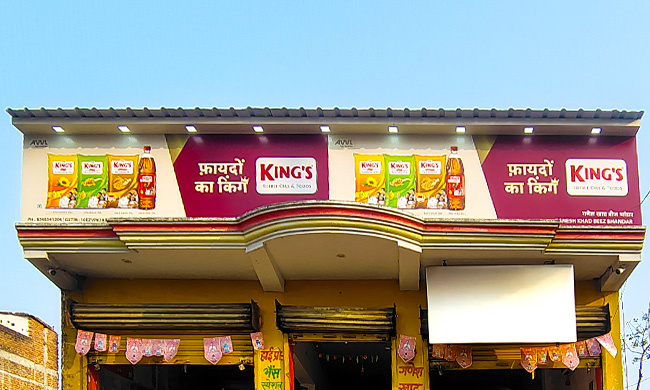
Retail branding across the dealer network was standardised, creating a more consistent and visible brand presence across multiple markets.
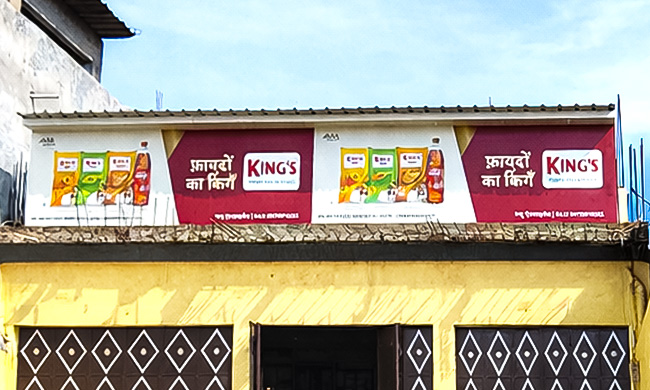
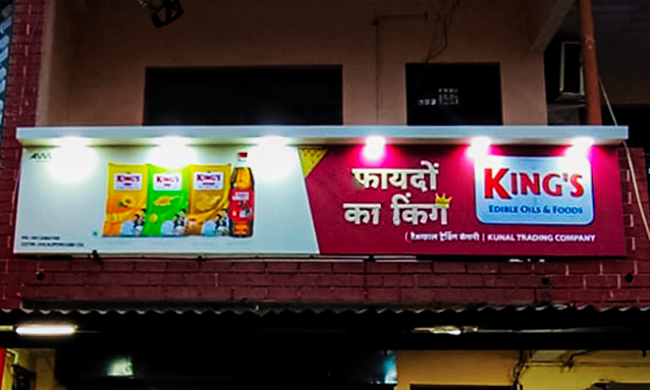
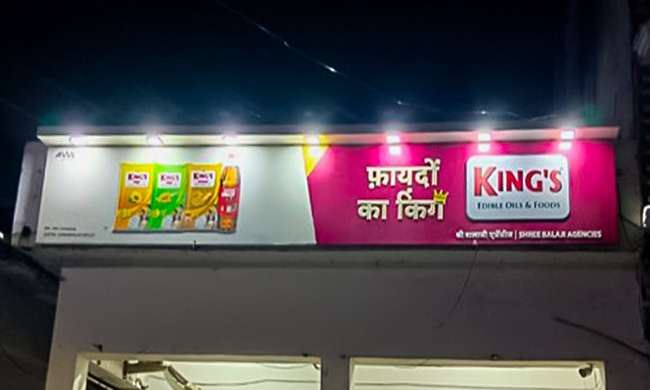
The rollout replaced fragmented and ageing dealer boards with a unified ACP signage system that improved visual consistency across locations while maintaining dealer-specific customisation requirements.
Execution timelines remained controlled despite the geographic spread of locations, with installations completed across multiple states within a 25-day rollout period. Data validation systems and structured approval processes helped maintain accuracy across GST information, contact details, and regional language adaptations.
The project strengthened dealer confidence, improved retail brand visibility, and established a repeatable execution framework capable of supporting future network expansion programs.
The rollout also reinforced Metamorph's capabilities in managing large-scale, multi-location retail branding programs across geographically dispersed markets.
Closing
Dealer network branding programs require a level of execution where consistency, accuracy, and rollout speed must be maintained simultaneously across hundreds of individual touchpoints.
Across King’s Oil's retail branding initiative, execution moved from a fragmented network of dealer signages to a structured rollout system where visibility, consistency, and operational control were maintained across multiple states.

AWL sought to upgrade the retail visibility of its King’s Oil dealer network across Jharkhand, Bihar, Odisha, and Uttarakhand through a large-scale branding rollout.
The objective extended beyond replacing existing dealer boards. The rollout aimed to establish a consistent, high-visibility retail identity across geographically dispersed markets while maintaining dealer-specific information, regional language requirements, and brand compliance standards.
Execution complexity emerged from the scale and diversity of the network. Dealer locations were spread across Tier 3 and Tier 4 markets, installation windows were limited due to ongoing business operations, and signage systems required extensive customisation to accommodate local-language dealer names, GST information, contact details, and location-specific requirements. Material consistency also posed a challenge, particularly in sourcing ACP sheets that accurately matched the defined brand colour standards.
Metamorph established a structured rollout system focused on execution speed, data accuracy, production standardisation, and coordinated installation across multiple states. Through centralised planning, prototype validation, parallel workflows, and aligned on-ground teams, the rollout was executed with consistency across locations while maintaining operational continuity at active dealer outlets.